Navigating Regulatory Shifts in Bonus Wagering for Mobile Roulette on Nordic Platforms
Kirjoittanut Viktor Perry · 18.8.2026
Navigating Regulatory Shifts in Bonus Wagering for Mobile Roulette on Nordic Platforms
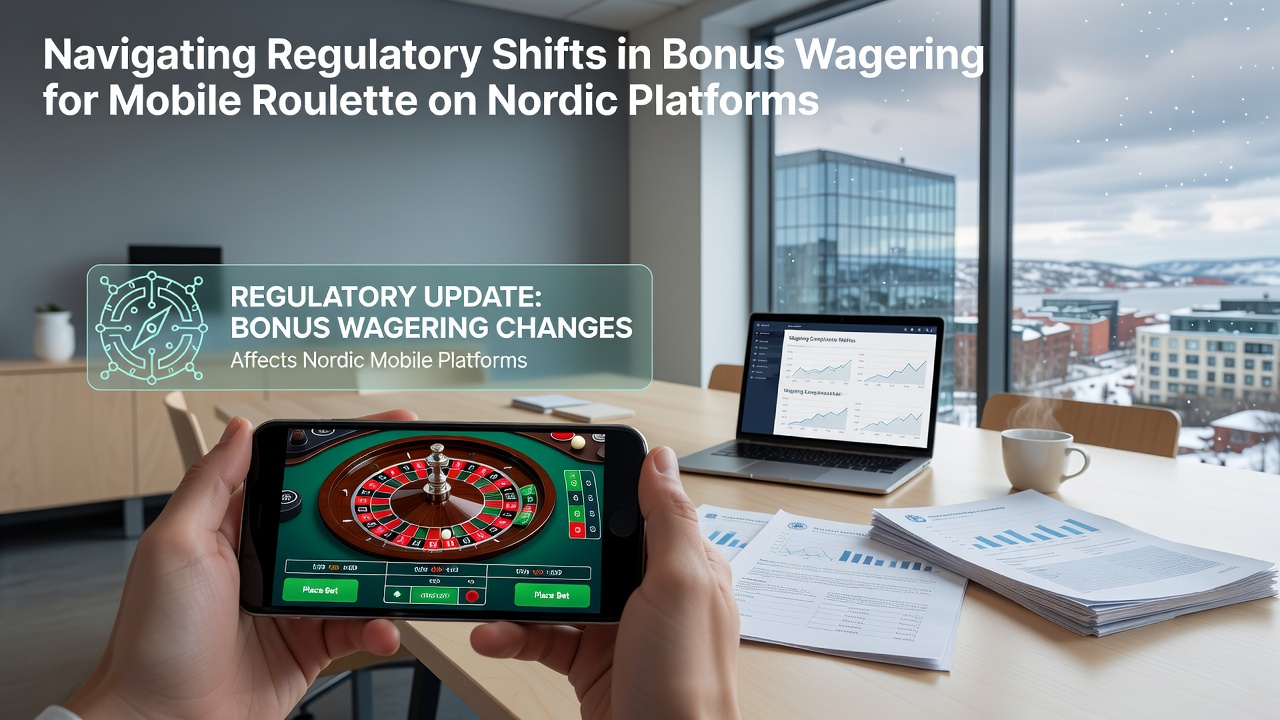
Regulatory adjustments across Nordic markets continue to reshape how operators structure bonus wagering for mobile roulette, with new compliance layers emerging from licensing authorities in Sweden, Denmark, and Finland while Norway maintains its state monopoly approach. These changes affect everything from wagering multipliers to game contribution percentages, forcing platforms to recalibrate promotions that players encounter on smartphones and tablets. Data from national regulators shows that bonus-related disputes have risen in parallel with stricter verification rules, particularly where mobile sessions cross borders within the region.
Current Licensing Requirements and Bonus Structures
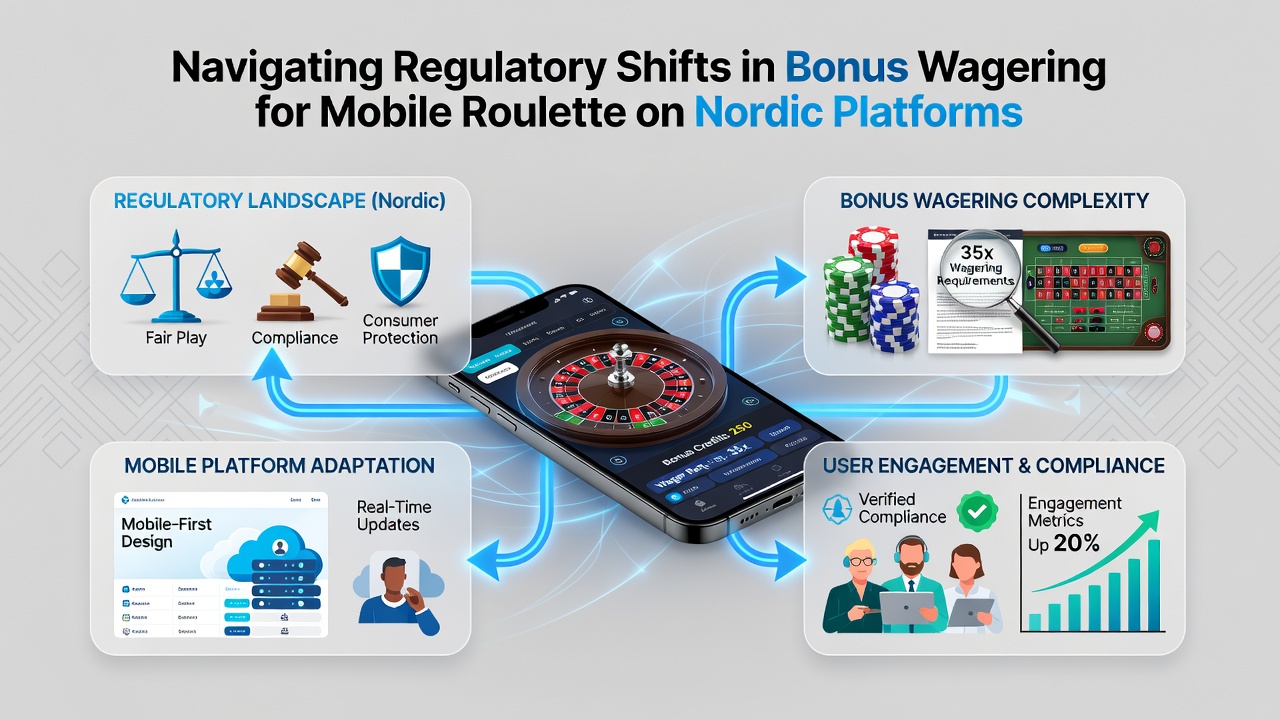
Swedish operators licensed under Spelinspektionen must adhere to updated guidelines that limit bonus value and impose clearer disclosure standards for wagering obligations tied to roulette play, and similar frameworks operate in Denmark through Spillemyndigheden oversight. Finnish authorities have aligned parts of their system with EU consumer protection directives, which means mobile roulette bonuses now carry mandatory time limits and contribution caps that differ from earlier models. Observers note that these rules often require operators to calculate wagering progress differently depending on whether the game uses European or American wheel variants, since payout ratios influence how much each spin counts toward completion.
Platforms respond by adjusting default settings in their apps so that players see real-time progress bars for bonus requirements without needing separate menus, and this approach has become standard in markets where regulators demand transparency. Research from the Nordic Council indicates that such visual tools reduce player confusion around terms, especially when multiple bonuses stack during a single session on mobile devices.
Impact of August 2026 Updates on Wagering Calculations
Beginning in August 2026, several Nordic jurisdictions plan to enforce harmonized reporting on bonus wagering completion rates for mobile roulette, requiring operators to submit anonymized data on how long players take to meet thresholds. This shift stems from collaborative work among regulators who aim to identify patterns in bonus abuse while protecting legitimate play, and it applies specifically to games accessed through native apps or browser-based mobile interfaces. Operators have started testing new backend systems that separate roulette bets from other casino offerings in these reports, since wheel games often receive lower contribution percentages than slots under existing rules.
One study conducted by researchers at the University of Copenhagen found that players using mobile roulette under bonus conditions tend to place smaller average bets compared with non-bonus play, which influences how quickly wagering targets are reached. The findings highlight why regulators in the region have focused on game weighting rather than blanket restrictions, allowing platforms flexibility while still controlling promotional intensity. Platforms that fail to update their tracking tools before the August deadline risk license reviews, according to statements from licensing bodies.
Technical Adaptations for Mobile Platforms
Developers working on Nordic-facing apps now integrate API connections that pull live regulatory data into bonus engines, ensuring that any change in wagering multipliers updates automatically across user accounts. This technical layer helps avoid situations where a player starts a mobile roulette session under one set of terms only to encounter different requirements mid-play due to policy shifts. Industry reports show that operators investing in these systems have seen fewer support tickets related to bonus disputes, particularly when cross-device play occurs between phones and tablets.
Norwegian players accessing international platforms face additional layers because the state monopoly restricts certain promotional mechanics, which means mobile roulette bonuses often route through different verification flows than in Sweden or Denmark. Those who've examined transaction logs note that these distinctions create varied user experiences depending on the player's registered location, even within the same app.
Player Verification and Compliance Monitoring
Enhanced identity checks required by Nordic regulators now tie directly into bonus activation sequences, so mobile roulette users must complete additional steps before wagering contributions begin counting. This process reduces instances where accounts with incomplete verification accumulate partial progress that later gets voided, a pattern documented in compliance audits. Figures released by Danish authorities reveal that verification-related bonus cancellations dropped after similar measures took effect, suggesting the approach stabilizes the overall system.
Operators maintain separate logs for regulatory review that detail every spin's contribution value, and these records must remain accessible for mobile sessions conducted on both iOS and Android environments. The requirement ensures that any dispute can reference exact game parameters at the time of play rather than relying on reconstructed data.
Conclusion
Regulatory evolution in Nordic markets continues to influence bonus wagering mechanics for mobile roulette through tighter disclosure rules, updated contribution models, and scheduled reporting mandates set for August 2026. Platforms adapt by refining app interfaces and backend tracking while players encounter more consistent but restrictive promotional terms across licensed sites. Data from multiple national sources shows these adjustments aim to balance operator flexibility with consumer safeguards, and the resulting frameworks will likely guide similar developments in adjacent European regions.