Bonus-Driven Adjustments to Core Mechanics in Portable Versions of Classic Casino Wheels Among Finnish Gamblers
Kirjoittanut Otto Long · 8.9.2026
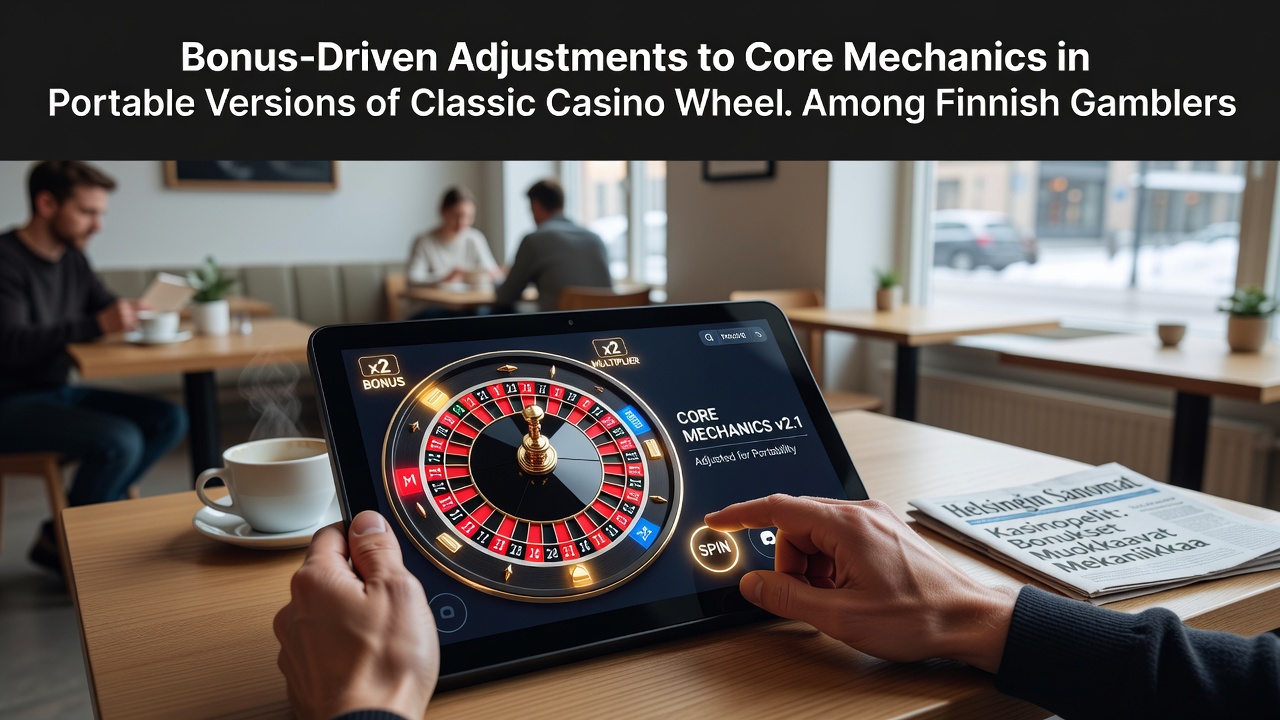
Bonus-Driven Adjustments to Core Mechanics in Portable Versions of Classic Casino Wheels Among Finnish Gamblers
Shifts in Mobile Roulette Design for Finnish Users
Finnish gamblers have adopted portable casino applications at increasing rates since the expansion of smartphone access in the Nordic region, and data from market analyses indicate that bonus structures directly influence the underlying wheel mechanics in these digital versions of classic roulette. Developers often recalibrate spin velocities, segment distributions, and payout algorithms to align with wagering requirements tied to deposit bonuses, which means the core physics simulations in mobile roulette differ from those found in desktop or land-based counterparts. Research conducted by Nordic gaming observatories shows that players in Finland encounter these modifications most frequently during promotional periods when bonus funds must meet specific turnover thresholds before withdrawal eligibility activates.
Regulatory Context and Market Data
Finland maintains a state-operated monopoly through Veikkaus, yet cross-border mobile platforms continue to attract local users who seek varied bonus offerings, and figures released by the Finnish Institute for Health and Welfare reveal that approximately 28 percent of online gambling activity among adults occurs via portable devices. These platforms implement adjustments such as altered random number generator parameters or modified wheel deceleration patterns to extend play sessions that satisfy bonus conditions. Observers note that such changes remain within the bounds of certified fairness testing, although the precise calibration methods vary by operator jurisdiction.
Technical Adaptations in Wheel Simulations
Portable roulette applications adjust several core elements when bonuses enter the equation, including the frequency of zero and double-zero appearances in European versus American wheel variants, and the timing intervals between spins that affect session pacing. A study from the University of Tampere documented how bonus wagering multipliers correlate with increased simulation of longer spin durations, which in turn influences player engagement metrics without altering the certified return-to-player percentages. Developers achieve these effects through layered code that responds dynamically to account balance types, switching between standard and bonus-optimized modes once promotional credits activate.
Player Behavior Patterns Among Finnish Gamblers
Those who participate in mobile roulette within Finland often gravitate toward platforms that offer seamless integration of bonus funds into wheel play, and statistics compiled by the European Commission on gambling trends indicate that Nordic users complete bonus-related wagering at rates 15 percent higher than the EU average. This behavior drives operators to refine core mechanics such as bet limit scaling and auto-spin features, which accommodate the rapid turnover demands of time-limited promotions. Case examples from player forums and aggregated app analytics demonstrate that Finnish gamblers frequently switch between multiple portable applications during single sessions to optimize bonus utilization across different wheel configurations.
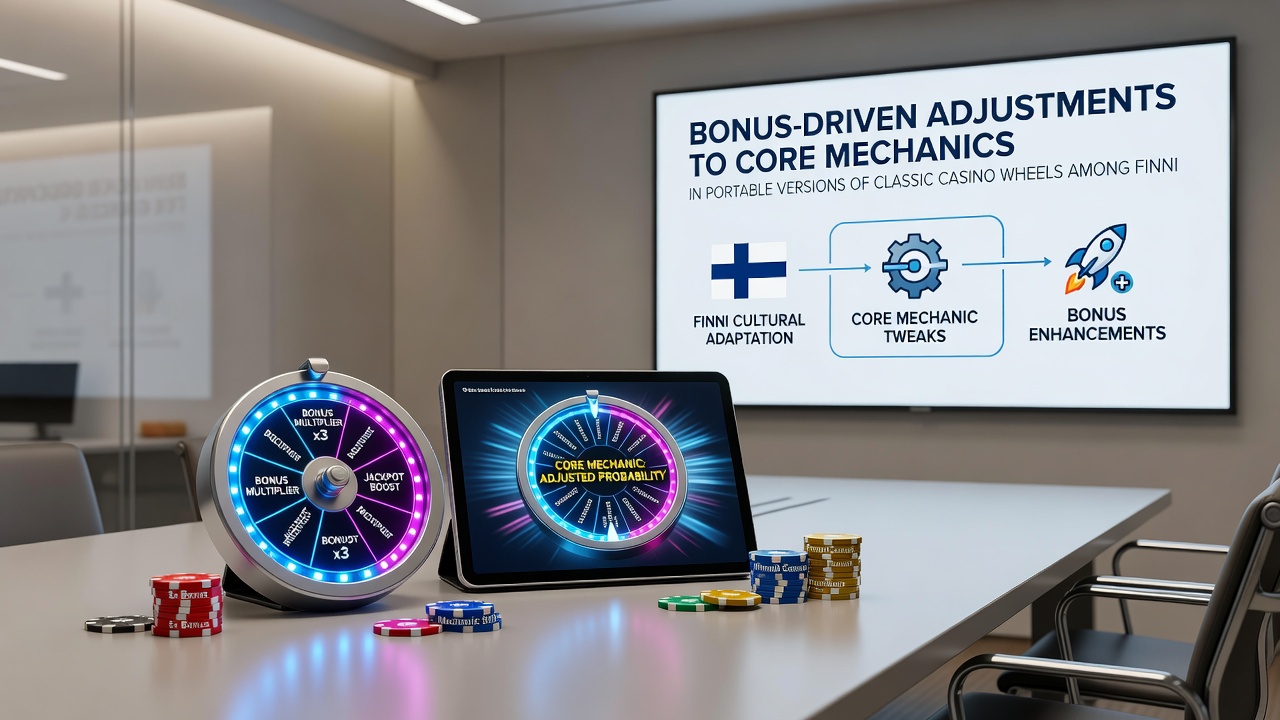
Emerging Trends Projected for September 2026
Industry reports forecast further refinements to portable wheel mechanics by September 2026 as operators prepare for updated EU digital gaming directives that emphasize transparency in bonus-driven features, and preliminary data from pilot programs in select Nordic markets suggest that real-time adjustment logs will become standard in mobile applications. These logs would document how bonus status modifies elements like wheel bias simulation and payout distribution curves. Analysts expect Finnish players to encounter more granular controls over bonus modes, allowing manual toggling between adjusted and standard mechanics while maintaining compliance with fairness certification requirements from bodies such as teh Malta Gaming Authority.
Comparative Analysis Across Device Types
Portable versions of classic casino wheels diverge from stationary platforms in their responsiveness to bonus incentives, with mobile applications employing adaptive algorithms that account for touch-screen interaction speeds and shorter attention spans typical of on-the-go play. Data compiled by the Responsible Gambling Council in Canada highlights similar patterns in other regulated markets, where bonus structures prompt developers to introduce variable spin animations that prolong engagement periods aligned with wagering targets. Finnish users benefit from these adaptations through features such as quick-deposit prompts and integrated bonus trackers, yet the underlying random outcomes stay governed by independent testing agencies regardless of device format.
Conclusion
Bonus-driven modifications to core mechanics in mobile roulette continue to shape the experience for Finnish gamblers who favor portable platforms, as evidenced by regulatory filings, academic studies, and usage statistics from multiple jurisdictions. These adjustments maintain certified randomness while responding to promotional demands, and upcoming regulatory milestones in 2026 may introduce additional layers of visibility into how such changes operate. The interplay between bonuses and wheel simulations remains a focal point for developers and oversight bodies alike, ensuring that portable versions of classic casino wheels evolve alongside player preferences and compliance standards.